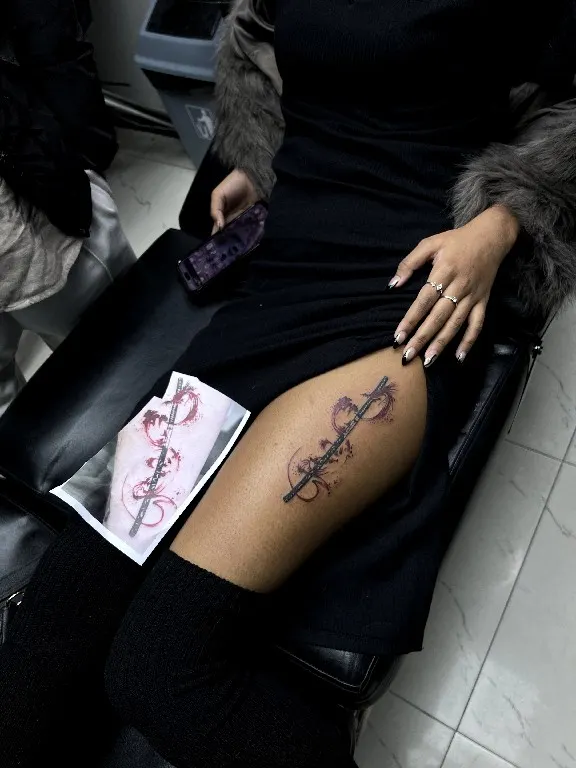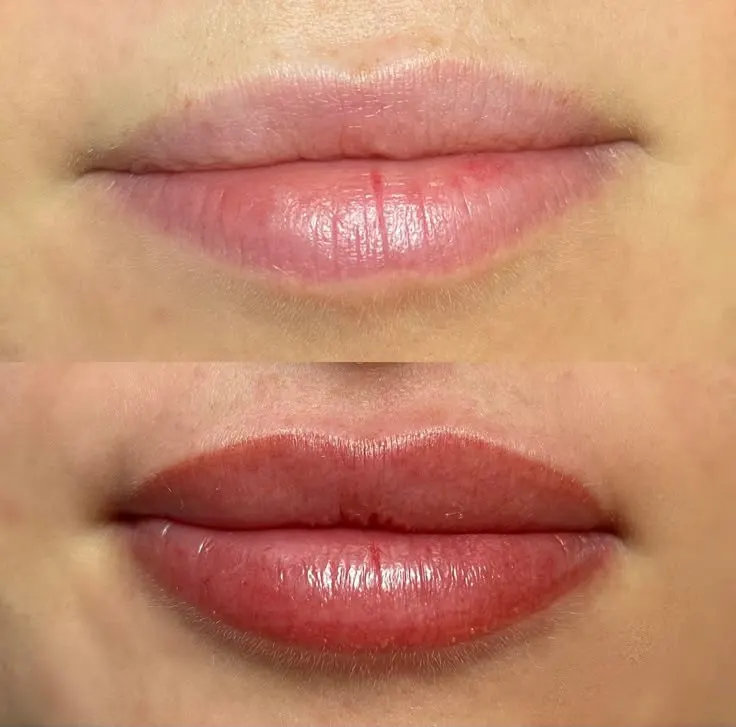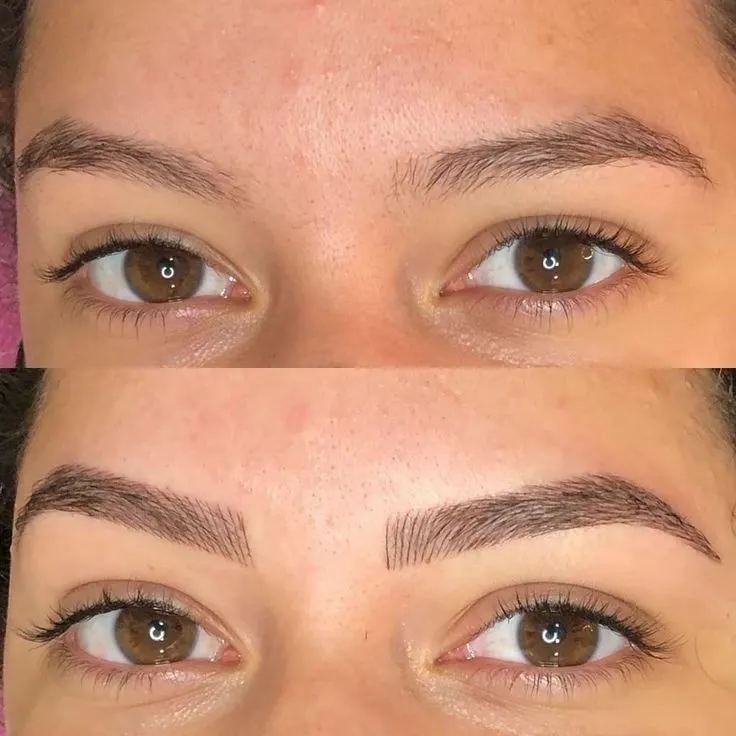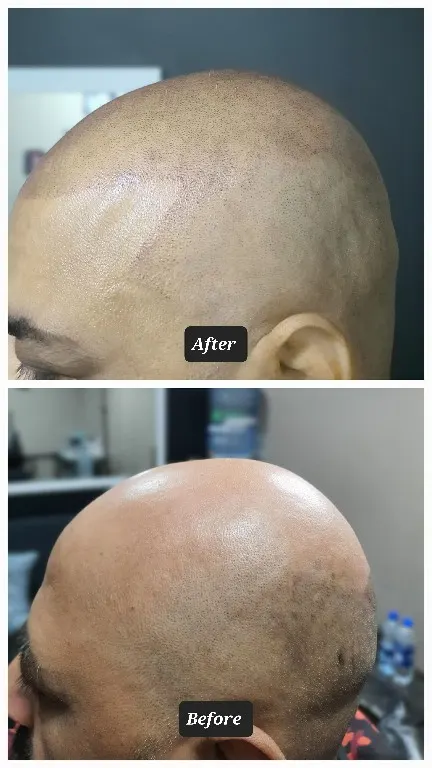
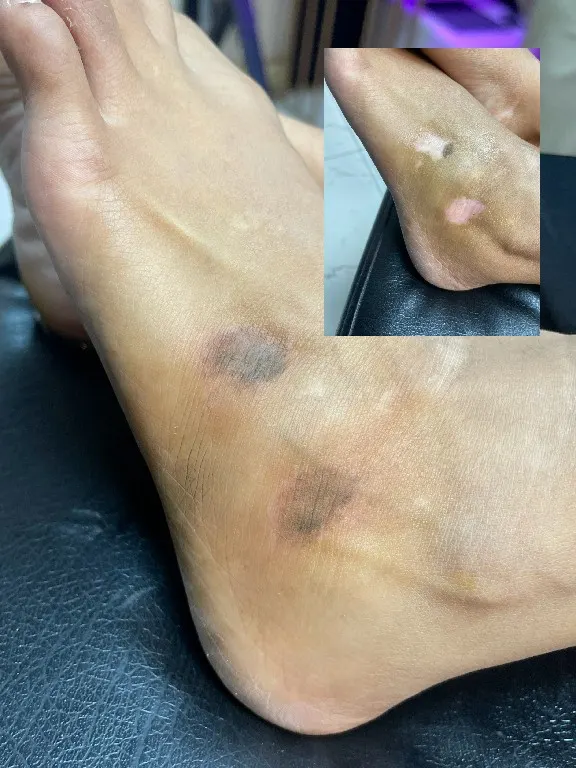
Vitiligo treatment at a tattoo studio is repair work, not decoration. Pigment is matched to your surrounding skin tone and implanted into the depigmented patches, so they become far less noticeable.
It's a medical cosmetic procedure, and it needs to be treated like one: honest assessment, careful pigment selection, and realistic expectations about what's possible on each person's skin.
01 — What skin-colour tattooing actually is.
The principle is the same as permanent makeup, but the goal is the opposite of artistic. Instead of adding a deliberate colour, the aim is to restore the skin's own colour: to make the treated area look like the untreated skin around it.
Specially formulated pigments, designed for skin-colour correction, are layered into the patch. Because vitiligo patches are rarely a single solid tone and the surrounding skin isn't either, matching is a process, not a single step.
02 — Who can benefit.
Skin-colour tattooing works best on patches that are stable, meaning they haven't grown or changed for a while. Active spreading vitiligo is a different situation, and the first question is whether the condition is currently stable before pigment is considered.
It's often used on areas that are hard to treat otherwise and that people see constantly:
- Face and lips
- Hands and fingers
- Elbows, knees, and other frequently exposed patches
- Areas where makeup coverage is impractical
A consultation matters here. Some skin types and some patches respond far better than others, and it's better to hear that honestly upfront.
03 — Matching the colour.
The whole treatment stands or falls on matching. The artist looks at your skin under good light, mixes a pigment that sits in the middle of your skin's natural range, and applies it in light layers.
Too dark, and it reads as a tattoo. Too light, and it does nothing. When it's right, the patch blends in from a normal conversational distance and stops being the first thing people notice.
04 — Sessions and healing.
One visit rarely finishes the job. The usual path is a first session to establish a base, then touch-up sessions after the skin has healed to build depth and correct any areas that settled lighter.
Right after treatment, the area will look noticeably darker than the target. This settles over the following weeks as the top layer heals. The final colour, judged a month or two later, is what matters, and that's when a touch-up can refine it.
05 — Booking a consultation.
Send clear photos of the patches in natural light, how long they've been stable, and which areas you'd like to address. That gives the artist enough to say whether skin-colour tattooing is likely to help you, and how many sessions to expect.
This is a treatment where honesty about expectations comes first. A good consultation will tell you what's achievable before you commit to anything.