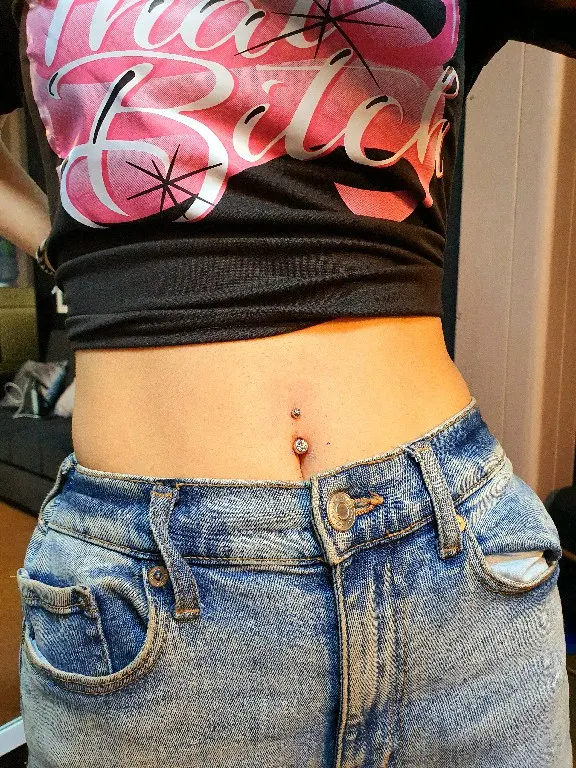
A piercing is a wound you choose to heal around jewellery. Done with care, that's a straightforward process. Done carelessly, it becomes a problem you deal with for months.
Most of what separates a good piercing from a bad one happens before the needle comes out, in how the studio prepares, sterilizes, and plans the placement.
01 — Choosing the piercing.
Start with placement, not trend. Think about your daily life: your job, your sport, whether you sleep on that side, whether you wear glasses or headphones. A piercing should fit your anatomy and your routine, not just look good on Instagram.
At a consultation, the piercer will look at the area and check whether your anatomy supports the piercing you want. Not every ear can hold every piercing, and an honest piercer will tell you that before doing anything.
- Lobes and helix — the common, low-drama ear piercings
- Nostril and septum — visible, still straightforward for most people
- Eyebrow, lip, and tongue — higher-maintenance, more thought needed
- Industrial, daith, conch — anatomy-dependent, best discussed with a piercer
02 — What a clean studio looks like.
You don't need to be a hygiene expert to spot the basics. Every needle should come from a sterile, single-use package, opened in front of you. Jewellery should be autoclaved or taken from sterile packaging. Surfaces should be covered with fresh barriers between clients.
And the person doing the piercing should treat those steps as routine, not as a favour. If a studio makes you ask for clean gloves or sterile equipment, that's your answer.
03 — During the session.
Your appointment starts with marking. The piercer positions the dot, checks it with you in a mirror, and often asks you to sit or move naturally so the placement looks right in real life, not just head-on.
Then the area is cleansed, the jewellery is picked (implant-grade, which heals far better than costume metal), and the piercing is done with a single-use needle. The whole thing is quick, most piercings take seconds. The planning around it is what takes the time.
04 — Healing and aftercare.
Healing times vary a lot by placement. Earlobes are usually the easiest. Cartilage, nostrils, and especially tongue or lip piercings take longer and need more attention.
The aftercare that matters:
- Clean with a sterile saline spray twice a day — nothing stronger
- Don't twist or turn the jewellery; crust comes off in the shower, not by hand
- Avoid sleeping on a fresh piercing, and keep phone screens away from facial piercings
- No swimming in pools or open water until it's well on its way to healed
Some redness, swelling, and a little crusting in the first days is normal. Swelling that gets worse after a few days, heat, or discharge that smells are not normal. Those mean you should contact the studio rather than wait it out.
05 — Booking a piercing.
Message the studio with the piercing you're considering and any questions: jewellery choice, placement, whether you can bring a piece in to be checked. A quick consultation settles the details before you commit.
If you already have a piercing that's healing poorly, that's also a conversation worth having. It's easier to fix a problem early than after months of trouble.